
The Future of Multi-Chair Salons in the UK

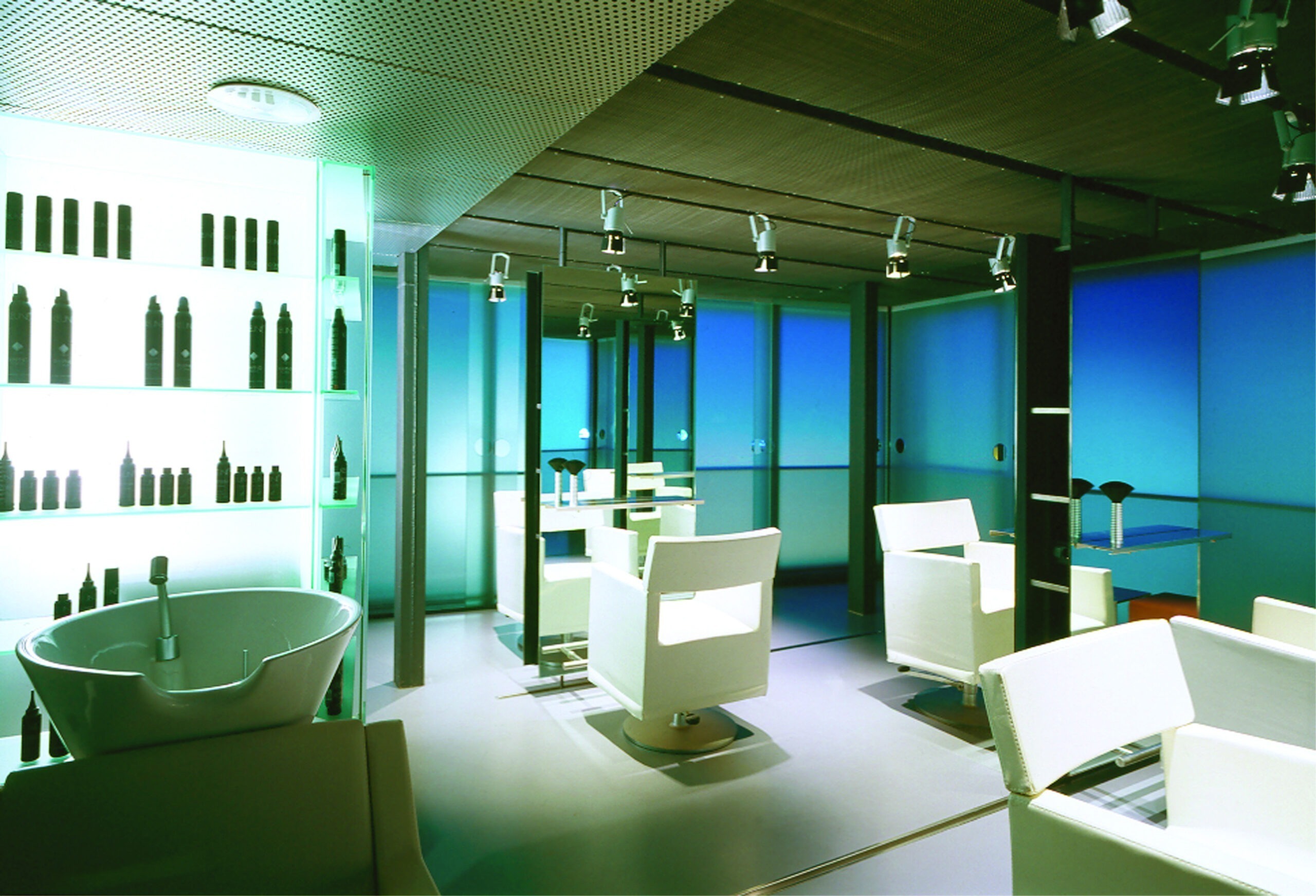
Multi-Chair Salons: The Future of UK Salon Business
Multi-chair salons still have an important place in UK hairdressing, but occupying a large premises and filling every station is no longer enough to create a sustainable business.
The future depends on what those chairs are organised to achieve.
A multi-chair salon may be:
- An employer-led team
- A chair-rental location containing independent businesses
- A carefully designed hybrid premises
- A specialist collective
- An education-led salon
- A multi-site brand
These models are not interchangeable. Each has different economics, responsibilities, relationships and risks.
The industry debate often asks whether employed salons or freelance hairdressers will “win”. That is the wrong question.
The better questions are:
- Is the operating model clear and lawful?
- Does it create enough value for the people working there?
- Do the prices support the real costs?
- Can clients understand who provides their service?
- Are standards consistent?
- Is responsibility matched with authority?
- Can the business function without one exhausted owner solving everything?
The multi-chair salon of the future will not survive by defending tradition. It will survive by making collaboration, infrastructure and shared experience genuinely valuable.
What is a multi-chair salon?
For this article, a multi-chair salon is a hairdressing premises designed for several professionals to deliver client services at the same time.
The term describes physical capacity—not legal status.
People working in the same space may be:
- Employees
- Workers
- Genuine self-employed businesses
- Company directors
- Apprentices
- Visiting specialists
Acas identifies employee, worker and self-employed as different status categories. Status affects rights, responsibilities and employer obligations. Tax status is a separate, though related, question.
Do not assume that everybody behind a chair has the same relationship with the premises owner.
Why the traditional multi-chair model is under pressure
Rising operating costs
Larger premises can carry significant:
- Rent
- Business rates
- Energy and water costs
- Payroll
- Insurance
- Laundry
- Stock
- Software
- Maintenance
- Equipment replacement
A busy floor does not guarantee profit if services are underpriced or productive hours are weak.
Changing career expectations
Hairdressers increasingly ask for more than a chair and a commission structure.
They may want:
- Visible progression
- Education
- Greater control
- Flexible working
- Specialisation
- Better leadership
- Fair reward
- Creative opportunities
- A sustainable workload
When employment offers responsibility without autonomy or development, independent work becomes more attractive.
Client behaviour has changed
Clients can discover specialists directly, compare services online and book across different environments.
A salon brand no longer owns attention simply because it has a high-street location.
Owner dependence
Many salons still rely on the owner to:
- Resolve complaints
- Approve discounts
- Recruit
- Train
- Order stock
- Market the business
- Manage every conflict
- Cover the busiest column
This limits scale and makes absence risky.
Lack of model clarity
Some premises attempt to combine employee control with self-employed labels. This creates risk for owners and professionals.
The three main multi-chair salon models
1. Employed team salon
The salon employs the team and typically controls prices, standards, systems, client journey and working arrangements within employment law.
Potential strengths:
- Strong brand consistency
- Structured education
- Clear leadership
- Team-based client experience
- Easier central marketing
- Career progression
- Shared performance systems
Potential risks:
- High fixed employment cost
- Weak productivity if diaries are poorly managed
- Staff turnover
- Owner-heavy management
- Uncompetitive pay or culture
- Limited autonomy
Employment must provide real value: lawful pay, rights, support, education, tools, systems, leadership and opportunity.
2. Chair-rental or independent collective
Independent hairdressers operate their own businesses within a shared premises under suitable agreements.
Potential strengths:
- Rental income for the host
- Genuine autonomy for independents
- Specialist variety
- Shared infrastructure
- Lower employee-management responsibility where the arrangement is genuinely independent
Potential risks:
- Employment-status problems
- Confused client responsibility
- Inconsistent standards
- Weak collective culture
- Rent dependence
- Disputes over clients, data or payments
- VAT and tax errors
HMRC’s internal chair-rental guidance explains that chair-rental supplies can include the chair or defined area plus services such as booking, laundry, assistants or refreshments. It also states that supplies by a salon to self-employed stylists are taxable in the circumstances it describes. Owners need individual VAT and tax advice rather than assuming rent is treated like a simple property letting.
3. Hybrid salon
A hybrid premises contains more than one clearly defined working model, perhaps employees alongside independent specialists.
Potential strengths:
- Broader expertise
- Multiple revenue streams
- Employment progression plus specialist partnerships
- Flexible use of space
Potential risks:
- Blurred status
- Different rules applied inconsistently
- Client confusion
- Tension between employees and independents
- Unclear management authority
- Shared-brand disputes
Hybrid should mean clearly different relationships coexisting—not one ambiguous arrangement.
There is no universally best model
The right choice depends on:
- Owner capability
- Financial position
- Premises commitments
- Local demand
- Team ambitions
- Brand strategy
- Services
- Risk tolerance
- Desired control
- Long-term exit plan
Do not choose chair rental solely to reduce payroll. Do not choose employment solely because it feels traditional. Do not choose hybrid because it sounds flexible.
Choose the model whose responsibilities, economics and culture you can execute properly.
The future economics of multi-chair salons
Stop measuring capacity only by chairs
Ten chairs do not equal ten productive businesses or employees.
Review:
- Occupied hours
- Revenue per productive hour
- Gross margin by service
- Rent per station where relevant
- Product cost
- Payroll and employment costs
- Utilities
- Client retention
- Redos
- Cancellations
- Shared-space utilisation
Understand break-even occupancy
An employed salon can estimate the service revenue needed to cover fixed and variable costs.
A rental salon can estimate the number of occupied chairs and rent required to cover premises, services, tax and owner contribution.
A hybrid salon needs separate analysis for each revenue stream.
A simple rental example:
- Monthly premises and shared operating costs: £12,000
- Required owner contribution and buffer: £3,000
- Total required before relevant tax considerations: £15,000
- Ten rentable positions
If all positions contributed equally, the average required revenue would be £1,500 per position per month.
At 80% occupancy—eight paying positions—the requirement becomes £1,875 per occupied position.
This is illustrative. Actual calculations must account for VAT, differing spaces, included services, deposits, bad debt, maintenance and other factors.
The lesson is simple: an attractive headline rent can be unviable if occupancy assumptions are unrealistic.
Seven capabilities future-ready salons need
1. A clear value proposition for professionals
Why should somebody work here rather than elsewhere or independently?
An employed offer may include:
- Stable pay
- Employment rights
- Education
- Clients and marketing
- Product and equipment
- Mentoring
- Career progression
- Management support
A rental offer may include:
- Professional space
- Genuine autonomy
- Clear facilities
- Community
- Convenient location
- Reliable infrastructure
- Transparent terms
Do not confuse facilities with a value proposition. The relationship must work economically for both sides.
2. Strong systems
Document:
- Opening and closing
- Health and safety
- Cleaning
- Product storage
- Emergency response
- Complaints
- Client records
- Payment and refunds
- Maintenance
- Data incidents
- New-person onboarding
Specify which systems apply to employees, independent businesses or the premises as a whole.
3. Commercial visibility
Owners need timely information on:
- Cash
- Profit
- Occupancy
- Revenue streams
- Costs
- Retention
- Team turnover
- Rent collection
- Capacity
Do not wait for annual accounts to discover the model is failing.
4. Leadership beyond the owner
Build future leaders before the vacancy or crisis appears.
Protect management time and delegate defined outcomes. In a rental collective, do not casually manage independents as employees; instead use the agreement and shared premises standards appropriately.
5. Education that creates career value
An employed salon can differentiate itself through structured technical, commercial and leadership development.
Independent collectives can offer optional peer learning or paid education without undermining genuine autonomy.
6. A distinctive client proposition
The salon needs a reason to exist beyond housing chairs.
It might offer:
- Several trusted specialists
- Consistent consultation standards
- Convenience across services
- An education-led team
- A particular creative identity
- Excellent accessibility
- A calm private experience
- Strong local community
7. Adaptable space
Future premises may need to support:
- Busy service periods
- Quiet working preferences
- Education
- Content creation
- Private consultations
- Specialist services
- Retail
- Flexible station use
Adaptability should not compromise safety, access or client comfort.
Employment status must match reality
A contract calling somebody “self-employed” is not enough.
Acas says status is based on the contract or written particulars, what was agreed and how the organisation and individual actually work together.
Questions may include:
- Who sets prices?
- Who controls the diary?
- Who takes payment?
- Who owns the client relationship?
- Who supplies products and equipment?
- Can the person work elsewhere?
- Who bears financial risk?
- Who corrects unsatisfactory work?
- Is personal service required?
- How integrated are they into the salon?
Tax status and employment-rights status are not necessarily identical.
Use HMRC’s Check Employment Status for Tax tool where appropriate and seek professional advice. Revisit the position when working practices change.
Client clarity in a mixed-model salon
Clients should understand:
- Who provides the service
- Which business takes payment
- Whose terms apply
- Who holds records
- Who handles complaints
- Whether gift cards are accepted
- Whether prices vary
- How offers work
- Who is responsible for follow-up
Do not make the client untangle the business model after a problem occurs.
Websites, booking systems, confirmations, receipts and in-salon communication should align.
Pricing across multi-chair salons
Employed model
Central prices can support clarity, while stylist levels may reflect experience or demand. The salon remains responsible for ensuring prices cover the full business cost.
Rental model
Genuinely independent businesses may set their own prices. The host needs to avoid controls inconsistent with the intended relationship and should obtain advice.
Hybrid model
The website must make differences understandable without misleading clients into believing separately operated businesses are one provider when they are not.
The Competition and Markets Authority’s guidance requires transparent pricing. Mandatory fees, taxes and charges should be included in the total price when calculable in advance; where a total cannot reasonably be calculated, explain how it will be calculated.
Culture in multi-chair salons
Culture is not created by forcing everybody into one social identity.
It grows through:
- Respect
- Clear expectations
- Fairness
- Consistent safety standards
- Professional communication
- Boundaries
- Appropriate conflict resolution
- Shared care for the premises
Employees and independents may participate differently.
Do not require unpaid “team” activity from independent businesses without considering status and agreement. Do not exclude them from all communication about shared safety or premises matters.
The goal is clarity with community—not artificial togetherness or complete fragmentation.
Education is the employed salon’s strongest advantage
Salons often compete with freelance income claims by criticising self-employment.
A stronger response is to make employment valuable.
Create pathways in:
- Technical specialisation
- Education
- Creative direction
- Leadership
- Client experience
- Retail
- Business development
- Management
- Partnership where appropriate
Explain what progression requires and reward added responsibility with time, authority and pay.
Health, safety and shared responsibility
Multi-business premises require clear safety arrangements.
Areas may include:
- COSHH
- Product storage
- Ventilation
- Skin protection
- Electrical equipment
- Fire safety
- First aid
- Waste
- Slips and trips
- Manual handling
- Water systems
- Incident reporting
HSE guidance highlights that some beauty and cleaning-product ingredients can irritate skin or contribute to allergies and other health effects. The controls required depend on tasks and substances.
Do not assume every risk belongs entirely to the host or entirely to the renter. Agreements, legal responsibilities and practical coordination must be clear. Seek competent health-and-safety and legal advice.
Technology should connect the model, not blur it
Technology can support:
- Booking
- Payments
- Records
- Inventory
- Access control
- Maintenance reporting
- Marketing
- Performance dashboards
- Education
But a shared system can create questions about data control, payments, clients and status.
Decide:
- Who is the data controller?
- Who can access what?
- Who receives payment?
- How are refunds processed?
- What happens when somebody leaves?
- How are clients informed?
Convenience must not replace clarity.
Recruitment and retention in the future salon
For employees
Offer:
- Clear pay and commission
- Realistic targets
- Protected breaks
- Education
- Progression
- Fair leadership
- Client-building support
- Sustainable workload
For independent renters
Offer:
- A credible business opportunity
- Clear costs
- Genuine independence
- Reliable facilities
- Professional standards
- Transparent agreements
- Respectful communication
Do not recruit independents with employee-style promises or recruit employees without explaining the value of employment.
What to include in a chair-rental agreement
Obtain tailored professional advice. Areas may include:
- Space and access
- Rent and review mechanism
- Deposit
- Services and utilities included
- VAT treatment
- Products and equipment
- Insurance
- Health and safety
- Booking and payment
- Client records and data
- Branding and marketing
- Complaints and corrections
- Cleaning and waste
- Damage
- Absence
- Notice and termination
- What happens to bookings on exit
The written agreement must reflect reality.
Common multi-chair salon mistakes
Filling space without checking the model
Occupancy is not success if rent, margin or status is wrong.
Using chair rental to avoid employment responsibility
The label does not determine status.
Offering employment without progression
Talented people will seek autonomy elsewhere.
Creating a hybrid model with no client clarity
Confusion damages trust.
Applying one culture rule to different relationships
Employees and independent businesses are not managed identically.
Underpricing rent or services
Both create busy but fragile businesses.
Expecting the owner to lead and work a full column
Management requires protected time.
Ignoring empty-chair economics
Fixed premises cost continues when stations are unused.
Depending on one high-performing person
Concentration risk makes the business vulnerable.
Treating systems as bureaucracy
Repeatable processes protect quality and continuity.
A future-readiness audit for multi-chair salons
Score each area from 1 to 5, where 1 means unclear or weak and 5 means documented, consistent and measured.
Model
- Status reflects reality
- Agreements are current
- Responsibilities are clear
Economics
- Every revenue stream is understood
- Break-even occupancy is known
- Cash flow is forecast
- Prices or rent are sustainable
People
- Employment has a strong value proposition
- Independents receive genuine autonomy
- Career paths are visible
- Conflict is managed appropriately
Client
- Provider identity is clear
- Prices and terms are transparent
- Complaints have a defined route
- Records and payments are understood
Operations
- Safety responsibilities are clear
- Systems are documented
- Data roles are defined
- The business can operate without the owner
Any score of 1 or 2 should create a specific improvement action, owner and review date.
A 90-day multi-chair salon plan
Days 1–30: Diagnose
- Map every working relationship
- Review status and agreements
- Calculate break-even occupancy
- Separate revenue streams
- Map the client journey
- Review safety and data responsibilities
- Ask employees and independents what creates value
Days 31–60: Redesign
- Clarify the operating model
- Obtain tax, legal, HR and accounting advice
- Correct pricing or rent
- Update role and rental agreements
- Improve client communication
- Build employee progression
- Document shared premises systems
Days 61–90: Implement
- Train the employed team
- Brief independent businesses on shared arrangements
- Update website and booking journeys
- Introduce dashboards
- Protect management time
- Test complaint and emergency processes
- Set quarterly reviews
Do not force a major contractual change into 90 days if lawful consultation, negotiation or notice requires longer.
How to measure success
Measure the model, not only total turnover.
Useful indicators include:
- Revenue and profit by stream
- Cash flow
- Station occupancy
- Revenue per productive hour
- Rent collection
- Employee retention
- Independent-business retention
- Client retention
- Complaints and redos
- Education participation
- Progression
- Owner working hours
- Safety incidents
- Unresolved data or payment queries
Growth that increases confusion, risk or owner dependence is not mature growth.
What will successful multi-chair salons look like?
They will not all look the same.
Some will be excellent employers with deep education and leadership pathways.
Some will be professional collectives of independent specialists.
Some will combine clearly separated models in one premises.
What they are likely to share is:
- Clear economics
- Credible value for professionals
- Transparent client communication
- Strong systems
- Defined responsibility
- Adaptable space
- Consistent standards
- Less dependence on one owner
Final thoughts: the chair is not the business model
The future of multi-chair salons will not be decided by how many stations fit inside a building.
It will be decided by the value created around them.
Employment can thrive when it offers education, leadership, security and progression. Chair rental can thrive when it represents genuine independent business within a professional shared environment. Hybrid premises can work when relationships are clearly separated and clients understand the arrangement.
None of these models succeeds through labels alone.
The salon of the future needs sound economics, lawful relationships, meaningful career value, reliable systems and a client experience that remains clear from booking to follow-up.
The chair is only physical capacity.
The business is the structure, leadership, trust and value built around it.
Join the HairUncut community
HairUncut gives salon owners, stylists, freelancers and educators a kind, supportive place to discuss changing business models and build a stronger professional industry.
Community insight can help identify questions, but tax, VAT, status, employment, health-and-safety and legal decisions should be checked with appropriately qualified advisers.
Join HairUncut and connect with the professional community.
Frequently asked questions
What are multi-chair salons?
Multi-chair salons are premises designed for several hair professionals to serve clients simultaneously. The people may be employees, workers, genuine independent businesses or a clearly structured combination.
Do multi-chair salons still have a future in the UK?
Yes, but success depends on clear economics, a suitable operating model, valuable professional relationships, strong systems and a client experience people understand. Size alone is not an advantage.
Is chair rental better than employing stylists?
Neither model is universally better. Employment offers control and structured team development with employer obligations. Genuine rental can offer autonomy and shared infrastructure. The choice must fit the business and be executed properly.
Can a salon employ some stylists and rent chairs to others?
It can operate a hybrid premises, but relationships, status, pricing, clients, data, payments, safety and responsibilities need clear separation. Specialist advice is important.
Is every chair renter self-employed?
No. Status depends on the actual relationship, not simply a rental agreement or weekly payment. Employment-rights and tax status also involve distinct assessments.
How should a multi-chair salon calculate chair rent?
Start with premises and shared service costs, realistic occupancy, required contribution, tax and VAT considerations, space differences and market value. Do not divide costs by 100% occupancy unless that assumption is credible.
Who handles complaints in a chair-rental salon?
The arrangement should make this clear before a complaint occurs. Clients need to know which business provided the service and who is responsible for resolution, records, payment and follow-up.
How can employed salons compete with freelancing?
Offer genuine advantages: lawful and clear pay, education, clients, products, leadership, protected time, progression, creative opportunity and a sustainable workload.
What systems do multi-chair salons need?
Systems may cover safety, opening, cleaning, maintenance, complaints, payments, records, data, emergencies and onboarding. Specify who follows and owns each process.
What is the biggest risk in a hybrid salon?
Ambiguity. If people are labelled independent but managed like employees, or clients cannot identify the service provider, the model creates legal, tax, cultural and reputational risk.