
Luxury Blow Dry: What Separates an Average Service From an Exceptional Experience?

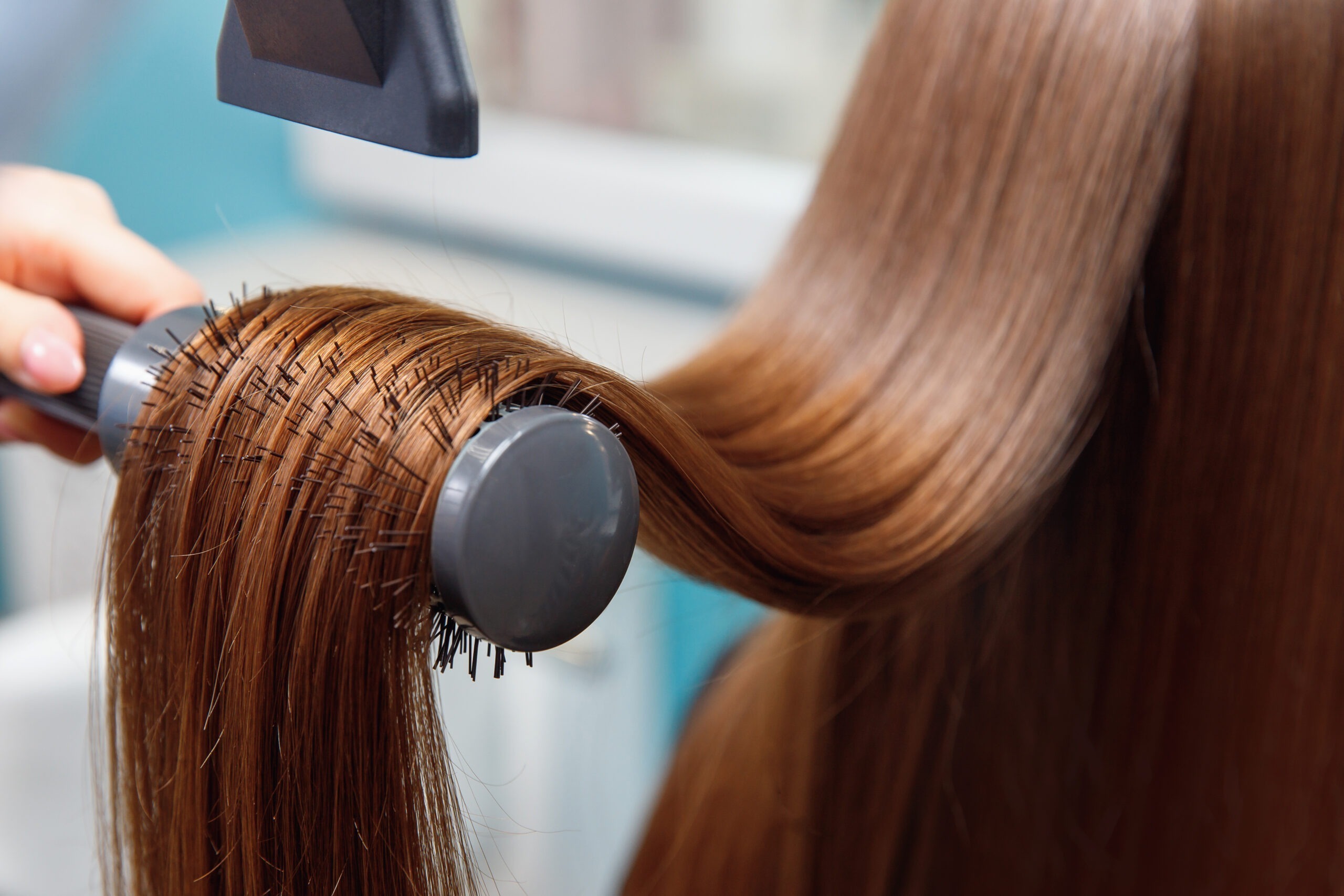
Luxury Blow Dry: What Separates an Average Service From an Exceptional Experience?
A luxury blow dry is about far more than simply drying somebody’s hair.
Many hair professionals can create a smooth finish, add movement or produce impressive volume. However, the difference between an average blow dry and a truly luxurious one is found in the complete experience—from the initial consultation and hair preparation to the final details and aftercare advice.
Clients are not only paying for the finished hairstyle. They are paying for professional judgement, technical skill, personalisation, care and the confidence that their hair will continue to look beautiful after they leave the salon.
An average blow dry may look good when the client gets out of the chair. An exceptional blow dry should feel considered, look polished and continue performing long after the appointment has ended.
So, what turns an everyday salon service into a luxury blow dry that clients value, remember and rebook?
What is a luxury blow dry?
A luxury blow dry is a personalised professional service designed around the client’s hair, lifestyle, desired result and overall salon experience.
It combines:
- A meaningful consultation
- Appropriate cleansing and conditioning
- Hair-specific preparation
- Professional product selection
- Controlled drying and sectioning
- Skilled brush and airflow techniques
- A refined, long-lasting finish
- Thoughtful client care
- Relevant maintenance advice
It is not defined by an expensive hairdryer, premium-looking packaging or an elaborate drinks menu alone.
Those details can support the experience, but the real luxury lies in the stylist’s attention, expertise and consistency.
When every stage has a purpose, a routine service becomes something the client can see, feel and appreciate.
The luxury begins with the consultation
A blow dry should never begin with an assumption.
Two clients may show the same inspiration photograph but have completely different hair densities, textures, conditions and styling habits. Delivering an identical process to both clients is unlikely to produce the best result.
A strong blow-dry consultation should establish:
- How the client normally wears their hair
- What they like and dislike about previous blow dries
- Whether they want volume, smoothness, movement or definition
- How long they need the style to last
- How their hair responds to humidity
- Whether the scalp becomes oily quickly
- The condition of the mid-lengths and ends
- Any concerns about frizz, breakage or heat damage
- How much time they spend styling at home
- Whether the blow dry is for an event or everyday wear
The stylist should also examine the hair rather than relying solely on the client’s description.
Porosity, density, natural movement, growth patterns and previous chemical services will all influence the choice of products, tools and technique.
This consultation does not need to feel clinical or unnecessarily lengthy. A few intelligent questions can make the client feel heard while giving the stylist the information needed to personalise the service.
That is one of the first distinctions between an average blow dry and a luxury blow dry: one follows a routine, while the other responds to the individual.
The shampoo experience should feel considered
The backwash is often treated as preparation for the “real” service. In reality, it is one of the most memorable parts of the salon visit.
Water that is too hot or cold, rushed shampooing, an uncomfortable neck position and a soaking-wet hairline can undermine the experience before styling even begins.
A luxury shampoo service should consider:
- Client comfort and neck support
- Appropriate water temperature
- Gentle but thorough cleansing
- The condition of the scalp
- Correct shampoo distribution
- Complete product removal
- A conditioner or treatment suited to the hair
- Careful rinsing around the hairline
- Gentle removal of excess moisture
The selected shampoo and conditioner should support the intended finish.
A heavy conditioning treatment may leave fine hair flat, while insufficient conditioning can make coarse or porous hair more difficult to smooth. The decision should be based on the client’s hair rather than whichever products happen to be closest to the basin.
A scalp massage can enhance the experience, but it should be intentional and well performed. Luxury is not created by adding random extras; it comes from delivering each detail exceptionally well.
Preparation determines the final result
Excellent styling begins before the round brush is picked up.
Hair must be prepared with the finished result in mind. That means applying products in the right order, using appropriate quantities and distributing them evenly.
Depending on the client, preparation may include:
- Leave-in conditioner
- Heat protection
- Root-lifting product
- Smoothing cream
- Curl-enhancing product
- Volumising mousse
- Humidity protection
- Lightweight oil or serum
- Setting or memory spray
More product does not necessarily produce a more luxurious result.
Too much can make the hair feel heavy, sticky or coated. Too little may fail to provide adequate control, protection or longevity.
Product placement also matters. A volumising product may be concentrated around the root area, while smoothing or conditioning products are generally more valuable through the mid-lengths and ends.
Professional guidance on preventing blow-dry damage also emphasises managing heat appropriately and using protection suited to the hair. L’Oréal Professionnel offers further advice on blow drying while limiting damage.
A luxury service protects the integrity of the hair while creating the desired finish.
Great sectioning creates control
Sectioning is one of the clearest indicators of a considered professional blow dry.
Trying to manage sections that are too large can lead to inconsistent tension, damp areas, frizz and a finish that collapses prematurely. By contrast, sections that suit the brush size, hair density and desired movement give the stylist greater control.
Precise sectioning helps create:
- Even drying
- Consistent root lift
- Better tension
- Greater smoothness
- More defined movement
- Improved longevity
- A balanced finished shape
The direction of each section also matters.
Hair should not merely be dried; it should be directed. The elevation, angle and brush placement determine where the volume sits, how the hair moves and how effectively it frames the client’s face.
A skilled stylist is effectively designing the final shape section by section.
Airflow is as important as heat
One of the most common differences between average and exceptional blow drying is control of the dryer.
Professional blow drying is not about using the maximum heat setting as close to the hair as possible. It requires control over temperature, airflow, distance and direction.
The nozzle should generally direct the airflow along the hair rather than blowing against it from different angles. This controlled approach helps produce a smoother, more polished result.
The stylist must continually assess:
- The hair’s condition
- The moisture remaining in the section
- The level of tension being used
- The temperature of the hair
- The distance between the dryer and hair
- Whether additional heat is genuinely necessary
- How the section is cooling and setting
Fine, fragile or highly processed hair may require a very different approach from dense, resistant or naturally textured hair.
Luxury is partly the confidence that the stylist will not sacrifice hair condition simply to achieve a temporary finish.
A luxury blow dry is personalised to the hair
There is no single technique that works for every client.
Fine hair
Fine hair may require lightweight preparation, controlled root elevation and careful product application. Too much tension, excessive product or prolonged heat can leave it flat and lifeless.
The aim may be to create body and movement without making the style feel stiff.
Thick or dense hair
Dense hair requires methodical sectioning and complete moisture removal. If the roots or internal layers remain damp, the finished style may expand, lose shape or become frizzy later.
Curly or textured hair
Textured hair requires knowledge of curl pattern, shrinkage, hydration and appropriate tension. The client may want a smooth result, enhanced natural texture or a combination of both.
Texture should never be treated as a problem that simply needs to be “controlled.” A luxury service respects the hair and works towards the client’s chosen finish without compromising its condition.
Chemically treated or fragile hair
Lightened, relaxed or damaged hair needs controlled heat and gentle handling. The stylist should avoid unnecessary passes and excessive pulling.
Hair prone to frizz
For frizz-prone hair, preparation and moisture control are particularly important. Every section must be dried fully and consistently, with products selected according to the hair rather than applied as a generic solution.
Personalisation makes the result more beautiful—and demonstrates the value of professional expertise.
The shape should suit the client
A fashionable finish is not automatically the right finish.
An exceptional stylist considers how the blow dry works with the client’s haircut, facial features, parting and preferences.
Some clients want height and glamorous bounce. Others prefer soft movement, smooth ends or a more relaxed, expensive-looking finish. The stylist may need to adjust the shape around glasses, a fringe, a strong growth pattern or a side the client prefers to tuck behind the ear.
This is where technical ability becomes artistry.
A luxury blow dry should not look as though the same template has been applied to every client. It should look as though it belongs to the person wearing it.
Cooling and setting improve longevity
A blow dry is shaped through heat, tension and airflow, but cooling helps establish that shape.
Releasing a section immediately while it is still hot can reduce longevity. Depending on the desired result, the stylist may use cool air, pin curls or rollers to help retain movement and volume as the hair sets.
This is particularly valuable for clients who want:
- A bouncy finish
- Long-lasting movement
- Event hair
- Volume that survives the journey home
- A blow dry that lasts for several days
The final result should not depend on the client remaining perfectly still in dry weather. A professional service should be planned around how the hair will behave in real life.
The finishing details matter
The difference between good and exceptional is often found in the final few minutes.
Once the main blow dry is complete, the stylist should assess the hair from every angle.
Look for:
- Inconsistent volume
- Flyaways
- Ends that need refining
- Areas that have lost movement
- Product imbalance
- An uneven silhouette
- Hair trapped around the neckline
- Sections that still contain moisture
Finishing products should enhance the result rather than disguise weaknesses in the technique.
A light mist of hairspray, a small amount of serum or a carefully chosen texture product may add polish and hold. Applying multiple heavy products at the end can make freshly washed hair look oily or stiff.
The finish should also feel good. Clients want hair that moves and feels touchable, not simply something that photographs well from one angle.
Luxury is also how the client is treated
Technical ability is essential, but clients remember how an appointment made them feel.
A beautiful result can be diminished by:
- Running significantly behind without explanation
- Leaving the client unattended
- Rough brushing or excessive heat
- Conversations that make the client uncomfortable
- Discussing other clients
- Constantly checking a phone
- A dirty or cluttered styling station
- Rushing the final reveal
- Failing to explain the finished look
A luxury salon experience is attentive without being intrusive.
It might include:
- A warm, professional welcome
- A clean and organised station
- A consultation without distraction
- Respectful communication
- Checking comfort throughout the service
- Thoughtful drink service
- Realistic timing
- A polished final reveal
- Clear homecare guidance
- Help with rebooking
Luxury is rarely one grand gesture. It is the accumulation of small, consistent details.
Education adds value to the appointment
Professional advice can transform a blow dry from a temporary beauty service into a useful learning experience.
The stylist might show the client:
- How much product to use at home
- Where each product should be applied
- How to direct the dryer around the hairline
- How to recreate root lift
- Why the hair loses volume
- How to protect the style overnight
- How to refresh the blow dry the following day
- How to reduce unnecessary heat
- Which brush is most suitable
- How often the hair should be washed
The advice must be practical. Recommending a complicated routine involving several brushes and eight products is unlikely to help a client with five minutes to style their hair before work.
Relevant education builds trust and reinforces the stylist’s expertise. It can also create ethical retail opportunities because product recommendations are connected to a genuine need.
Why some blow dries fail to last
A blow dry that collapses quickly is not always the result of one mistake. Several factors may be involved:
- The hair was not cleansed appropriately
- Conditioner was too heavy for the hair
- Preparation products were unsuitable
- Products were applied in the wrong areas
- Sections were too large
- The roots or internal layers remained damp
- Airflow was poorly directed
- Heat was not followed by sufficient cooling
- The chosen shape was unrealistic for the hair
- Humidity was not considered
- The client repeatedly touched the hair
- Homecare advice was not provided
A professional should not promise that every style will last for an identical period. Hair type, lifestyle, weather and sleeping habits all affect longevity.
However, the service should be engineered to give the client the best realistic result for their individual hair.
Can salons charge more for a luxury blow dry?
Yes—but a higher price must represent greater value.
Simply renaming a standard appointment a “luxury blow dry” will not convince clients for long. Premium pricing must be supported by visible and consistent improvements.
These may include:
- More consultation time
- Advanced technical expertise
- Premium cleansing and conditioning
- Personalised product preparation
- A longer appointment
- Additional setting time
- A more refined finish
- Better homecare advice
- Improved comfort and hospitality
- Greater consistency across the team
The service description should explain what the client receives without relying on vague words such as “exclusive,” “deluxe” or “premium.”
For example:
A personalised blow-dry experience beginning with a consultation, professional cleanse and conditioning treatment. Hair is prepared and styled using products and techniques selected for its texture, condition and desired finish, followed by personalised advice to help maintain the result.
That tells the client far more than “luxury blow dry with premium products.”
How salons can improve their blow-dry service
Salon owners should experience the service from the client’s perspective.
Review each stage:
- Is the service described clearly online?
- Does the booking time allow the stylist to deliver it properly?
- Does the consultation feel personalised?
- Are products selected intelligently?
- Is the backwash experience comfortable?
- Are sectioning and drying standards consistent?
- Does the team understand different hair types and textures?
- Is hair condition being protected?
- Does the finished result match the consultation?
- Does the client receive useful maintenance advice?
- Is the final reveal given enough attention?
- Does the experience justify the price?
Team education should go beyond practising round-brush techniques. It should also cover consultation, product knowledge, textured hair, heat management, client communication and finishing.
A luxury service must be repeatable. If its quality depends entirely on which stylist happens to be available, it is not yet a consistent salon standard.
What clients should expect from a professional blow dry
Clients should feel comfortable asking questions about their hair and the process being used.
A quality professional blow dry should include:
- A clear conversation about the desired result
- Products suitable for the hair
- Heat protection where appropriate
- Careful detangling
- Controlled drying and sectioning
- Respect for the hair’s texture and condition
- A finish suited to the client
- Advice for maintaining the style
Luxury does not require formality or extravagance. A friendly local salon, independent stylist or freelancer can deliver an outstanding luxury blow dry through expertise, care and attention.
An exceptional blow dry is never “just a blow dry”
A luxury blow dry combines technical control, personalisation and a thoughtful client experience.
The shampoo matters. The sectioning matters. The airflow, brush size, temperature and product choices matter. But so do the welcome, consultation, communication and final reveal.
When these elements work together, the client leaves with more than smoother or bouncier hair. They leave feeling understood, cared for and confident.
That emotional response is difficult to reproduce with rushed, routine service.
The difference between an average blow dry and a luxury blow dry is not simply how the hair looks when the client stands up.
It is the expertise behind the result, the care throughout the appointment and how beautifully the hair continues to perform afterwards.
Join the HairUncut community
HairUncut gives hairdressers around the world a safe, kind and supportive space to exchange knowledge, ask questions, share work and learn from one another.
Whether you are a salon owner, stylist or freelancer, the community is here to help you develop your craft and build a stronger career in hairdressing.
Discover HairUncut and join our professional community.