Menopause in Hairdressing: How to Support People Without Making Assumptions


Menopause in Hairdressing: How to Support People Without Making Assumptions
Menopause in hairdressing deserves a more useful conversation than either silence or a list of generic wellbeing tips. Salon work can involve heat, prolonged standing, close client contact, chemical services, fixed appointment times and limited opportunities to pause. For someone experiencing hot flushes, poor sleep, joint pain, anxiety, headaches or difficulty concentrating, those conditions may make an ordinary working day considerably harder.
That does not mean everyone going through perimenopause or menopause needs help, wants colleagues to know or experiences the same symptoms. Some people are barely affected; others experience symptoms that disrupt work and daily life. Support should therefore begin with the individual—not with assumptions based on their age, appearance or gender.
This guide is for UK salon owners, managers, employed hair professionals and genuine freelancers. It explains how to make work more manageable, hold confidential conversations and find workable changes while continuing to serve clients safely and professionally.
Important: This article provides general workplace information, not medical or legal advice. Anyone concerned about symptoms should consult an appropriate healthcare professional. Employers dealing with a particular employment issue should seek advice based on the facts.
Why menopause can feel different in a salon
The NHS explains that perimenopause and menopause are different for everyone. Possible symptoms include hot flushes, sleep problems, low mood, anxiety, memory or concentration difficulties, headaches, muscle and joint pain, and skin changes. A person may experience several, one or none of these effects, and their needs can change over time.
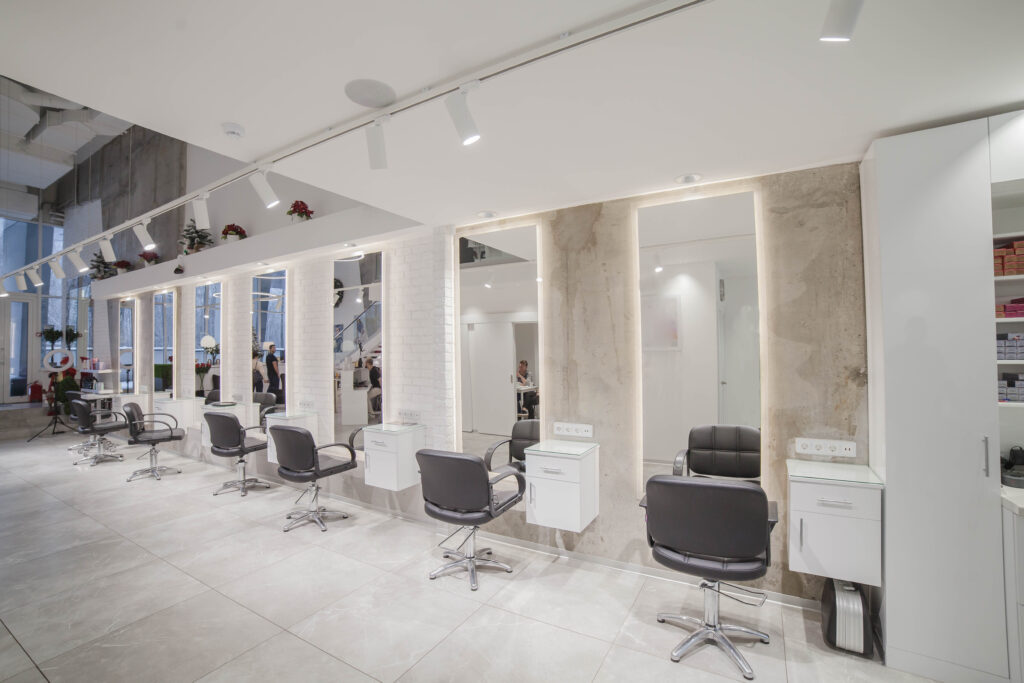
The working environment matters. A stylist may move between hairdryers, heated tools and a warm colour area while wearing a uniform and apron. A colourist may need sustained concentration during technical formulations. A freelancer may have booked several long services back-to-back because an empty slot means lost income. A salon manager may be supporting clients and staff while trying to manage their own symptoms privately.
The issue is not whether hairdressing “causes” menopause symptoms. It is whether the environment or working pattern makes an individual’s experience more difficult than it needs to be.
Avoid the two unhelpful extremes
One extreme is dismissing the subject as private and expecting people simply to cope. The other is treating every person of a certain age as though they are unwell or less capable. Both can damage trust.
A better principle is simple: make it safe to ask for support, respond to the actual difficulty described and preserve the person’s control over what is shared.
What UK salon employers need to understand
Menopause is not a separate protected characteristic under the Equality Act 2010. However, Acas states that disadvantage or less favourable treatment connected with menopause symptoms could be discrimination when related to a protected characteristic such as age, disability, gender reassignment or sex.
In some circumstances, the effects experienced by an individual may meet the legal definition of disability. Broadly, that definition involves a physical or mental impairment with a substantial and long-term negative effect on normal daily activities. Whether it applies depends on the person and the evidence; menopause is not automatically a disability.
Where a worker is disabled under the Act, an employer has a duty to make reasonable adjustments to reduce or remove relevant disadvantages. Even when that legal duty is not engaged, sensible changes may help retain an experienced team member and prevent a manageable problem becoming a performance, absence or resignation issue.
Employers also have health and safety responsibilities. Acas recommends considering how the job may intensify symptoms and reviewing matters such as temperature, ventilation, uniforms, rest space, toilet access and drinking water. A salon’s risk assessment should reflect its real working conditions rather than relying on a generic template.
The position in Northern Ireland differs because the Equality Act 2010 does not apply there. Businesses should use Northern Ireland-specific employment guidance.
Start with a private, respectful conversation
People may hesitate to raise menopause at work because they fear embarrassment, jokes, being labelled difficult or being seen as less reliable. A manager cannot promise support if nobody feels safe enough to speak.
Managers should not attempt to diagnose someone. If a team member says they are struggling, the purpose of the conversation is to understand the effect on work and explore what might help.
A five-step conversation framework
- Choose privacy. Arrange a confidential conversation away from clients and colleagues. Do not begin beside a busy reception desk.
- Listen without comparison. Avoid responses such as “everyone goes through it” or stories about another employee whose experience was easier.
- Ask about work impact. “Which parts of the working day are most difficult at the moment?” is more useful than asking for intimate medical detail.
- Explore options together. Ask what change the person believes would help, then discuss what is safe, practical and sustainable.
- Agree a review. Symptoms and salon demands can change. Record the agreed action, who needs to know and when it will be reviewed.
A manager might say:
“Thank you for telling me. You only need to share what you are comfortable sharing. Let’s look at the parts of your working day that are difficult and agree some changes we can test. We’ll keep this as private as possible and review whether the changes are helping.”
Do not disclose the reason for an altered shift or extra break to the wider team unless the person agrees or there is a genuine need to share limited information. Colleagues may need to know that a rota has changed; they rarely need someone’s health history.
Practical adjustments for menopause in hairdressing
There is no universal “menopause adjustment”. A useful change is one that addresses a specific barrier without creating an unmanaged risk or simply transferring an unreasonable workload to somebody else.
1. Temperature and ventilation
Hairdryers, hood dryers, hot tools, direct sunlight and poor airflow can make some salon zones uncomfortable. Possible changes include:
- positioning a workstation away from a strong heat source or sunny window;
- providing a safe local fan or access to a cooler area;
- checking whether air conditioning and ventilation are working correctly;
- allowing brief cooling breaks and ready access to cold drinking water;
- rotating duties or scheduling heat-intensive work differently where practical.
Any change must remain compatible with electrical safety, safe product use and the salon’s ventilation controls. A portable fan should not be positioned where it can blow colour powders, aerosols, loose hair or contaminants across the workplace.
HSE guidance encourages employers to consider local cooling, ventilation, drinking water, breaks and flexible work patterns when people are too hot. It also makes clear that required protective equipment must still be used correctly.
2. Uniforms and clothing
A rigid uniform can compound discomfort. Salons can consider breathable fabrics, layers, alternative fits or several approved garment options while retaining a coherent brand. Aprons and protective equipment should still provide the protection required for the task.
The goal is not to abandon professional standards. It is to separate what is genuinely necessary for safety and brand presentation from a rule that exists only because it always has.
3. Breaks, water and toilet access
A nominal lunch break offers little support if overrunning appointments make it impossible to take. Managers can protect short gaps in the diary, plan cover and avoid automatically filling every opening.
Easy access to water and toilets matters. An agreed signal or reception-cover procedure can allow a stylist to step away briefly without having to explain personal details in front of a client.
4. Appointment and shift design
Poor sleep, fatigue, migraine or concentration difficulties may make certain working patterns harder. Depending on the role and business, options could include:
- a temporary later start or different shift pattern;
- fewer long or highly technical services in succession;
- protected gaps after demanding appointments;
- moving training or administrative work to a quieter part of the day;
- a temporary reduction or redistribution of particular duties;
- predictable rotas rather than frequent last-minute changes.
Changes should be discussed, documented and reviewed. An open-ended arrangement with no check-in can become unclear for the individual and the rest of the team.
5. Concentration and technical safeguards
If someone reports brain fog or difficulty concentrating, respond without questioning their professionalism. For colour and chemical work, practical safeguards might include protected formulation time, written consultation records, clear formula logging, checklists and fewer interruptions during critical stages.
These are good systems for everyone. They strengthen safety and consistency without singling somebody out publicly.
6. Skin sensitivity and product exposure
Skin can change during menopause, but a manager should not assume that every irritation is hormone-related. Follow normal salon procedures: review the products and task, use required controls, record work-related concerns and obtain occupational-health or medical input where appropriate. Existing COSHH and skin-protection requirements still apply.
Fairness does not always mean identical treatment
Small salon teams often worry that allowing flexibility for one person will feel unfair to others. The answer is clarity, not disclosure.
Fair treatment means applying a consistent process to individual circumstances. It does not always mean giving everyone identical working arrangements. A manager can explain that the salon considers health-related requests confidentially and balances individual needs with safe service delivery—without identifying the person or condition involved.
Equally, not every requested change will be reasonable or operationally possible. If the first proposal cannot work, avoid a blunt refusal. Clarify the barrier and explore alternatives. For example, if an entire Saturday off cannot be accommodated, a later start, shorter shift, additional cover or temporary diary change might achieve some of the same benefit.
Factors such as effectiveness, practicability, disruption, cost, resources and the nature of the business may be relevant when assessing adjustments. Legal questions are fact-specific, so obtain professional advice where necessary.
Manage absence and performance with care
It is risky to jump from a recent error or absence to a conclusion that someone can no longer do their job. Begin with facts: what changed, what standards are affected and whether a health issue or workplace barrier may be involved.
Acas recommends handling menopause-related sickness sensitively and considering changes that help the person remain at work. Its current guidance says it is good practice to record menopause-related absence separately from other absence because counting it indiscriminately could create unfairness or discrimination. Employers should review their own policy and seek advice on individual cases.
The same care applies to performance. Agree clear standards, relevant support and a reasonable review period. Document decisions consistently. Support does not require ignoring serious safety issues or abandoning service standards; it means addressing the cause and considering appropriate changes before moving to formal conclusions.
Time for menopause-related medical appointments is not automatically required by a specific general statutory entitlement, although a contract or policy may provide paid or unpaid time. A clear policy prevents managers improvising different answers for different people.
Build a salon approach that works before a crisis
A small salon does not necessarily need a lengthy standalone policy. It does need a clear route for raising concerns and managers who can respond appropriately.
A concise menopause-at-work section could state:
- whom a worker can speak to, including an alternative if their manager is not suitable;
- how privacy will be handled;
- examples of changes the business can explore;
- how health and safety concerns and adjustment requests are assessed;
- how agreed actions will be recorded and reviewed;
- where staff can find reliable health and employment information.
Train anyone who supervises others. Awareness training should cover listening, confidentiality, respectful language, legal risk and the difference between supporting a worker and giving medical advice. Men should be included: colleagues and managers of any gender may need to support someone appropriately.
Zero tolerance for ridicule should be explicit. Jokes about age, mood, memory, sweating or someone being “past it” are not harmless salon banter when they humiliate a colleague and may create legal risk.
What freelancers can do when there is no employer
Genuine self-employed hairdressers do not have an employer managing their diary or providing employee adjustments. That can offer control, but it can also mean every pause appears to reduce income.
A freelancer can make the business more resilient by:
- pricing services to include realistic breaks and administration rather than selling every minute;
- identifying which services or times of day are currently most demanding;
- leaving recovery space around long colour corrections or extension appointments;
- using written consultation, formula and task checklists;
- setting client expectations about working hours and response times;
- building reciprocal cover arrangements with trusted professionals;
- keeping a cash reserve for reduced working periods;
- reviewing income protection or other insurance with a regulated adviser;
- speaking to the salon or premises operator about temperature, ventilation and shared facilities.
A chair renter or contractor’s true employment status depends on the reality of the relationship, not just the label in an agreement. Anyone unsure about rights or responsibilities should obtain specialist advice.
Freelancers also deserve medical support. Business planning can reduce pressure, but it is not a substitute for NHS or clinical advice about symptoms.
Serving clients experiencing menopause
This subject is not only about the team. Some clients may mention temperature sensitivity, scalp or skin changes, hair thinning or changes to texture. Hair professionals should listen and work within their competence.
Do not diagnose menopause from changes in a client’s hair, and do not promise that a product or service will treat a medical cause. Ask neutral questions about what the client has noticed, explain realistic cosmetic options and recommend medical advice for sudden, severe or concerning changes.
Small choices can improve comfort: offering water, explaining the sequence of a long service, checking the temperature of water and dryers, allowing a pause, and providing privacy during sensitive conversations. Ask rather than assume.
A 30-day salon action plan
Week 1: listen and audit
Review temperature, airflow, drinking water, toilets, rest space, uniforms, diary gaps and how confidential concerns are currently raised. Invite staff to identify barriers without asking anyone to reveal a diagnosis.
Week 2: establish the process
Name a primary and alternative contact. Create a short confidential conversation form covering the work impact, proposed changes, information-sharing permission and review date. Check absence, flexible-working, health and safety and anti-harassment policies for gaps.
Week 3: train and improve
Give managers practical training. Make low-cost environmental improvements, such as servicing ventilation, supplying cold water, providing approved uniform options or protecting actual breaks. Do not announce that these changes are “for” a named team member.
Week 4: test and review
Review existing arrangements privately. Ask whether each change is effective, whether it creates a new issue and whether it should continue, change or end. Record outcomes, not unnecessary medical history.
Measure whether the process works through staff confidence, requests resolved, avoidable absence, retention and feedback—not by counting how many people disclose menopause.
The leadership test
The most supportive salons do not turn menopause into a campaign slogan. They create conditions in which a skilled professional can say, “This part of my working day has become difficult,” and receive a sensible response.
Handled well, menopause in hairdressing becomes part of good management: listening to individuals, controlling workplace risks, designing sustainable diaries and keeping experienced people in an industry that needs them. The aim is neither special treatment nor forced disclosure. It is dignified, practical support that allows people to keep doing excellent work.
Featured-snippet answer
How can salons support menopause at work?
Salons can support menopause at work by holding private conversations, reviewing temperature and ventilation, offering suitable uniform choices, protecting water and toilet breaks, considering flexible shifts or appointment patterns, recording agreed changes and reviewing them regularly. Support should reflect the individual rather than assumptions about age or symptoms.
Frequently asked questions
1. Is menopause a protected characteristic in the UK?
No. Menopause is not itself a protected characteristic under the Equality Act 2010. However, unfavourable treatment connected with symptoms may amount to discrimination when related to characteristics including age, disability, gender reassignment or sex. Northern Ireland has different equality legislation.
2. Can menopause count as a disability?
It can in some individual circumstances if the relevant legal definition is met, but it is not automatically a disability. Employers should focus on the person’s reported disadvantage and appropriate support, taking advice where needed.
3. What are reasonable adjustments for menopause in a salon?
Possible changes include a cooler workstation, safe use of a fan, breathable uniform options, reliable water and toilet access, protected breaks, adjusted shifts and avoiding several demanding services back-to-back. What is reasonable and effective depends on the person and business.
4. Does an employee have to disclose menopause?
People are not required to announce personal health information to colleagues. However, an employer may need enough relevant information to understand a request and arrange suitable support. Conversations and records should be handled confidentially.
5. Should menopause absence be recorded separately?
Acas says it is good practice to record menopause-related sickness separately from other absence because including it indiscriminately in an overall attendance record could be unfair or discriminatory. Employers should check their policy and the individual circumstances.
6. Must salons allow time off for menopause appointments?
There is no general, specific statutory right to time off for menopause medical appointments, although a contract or workplace policy may provide paid or unpaid time. Other legal duties may also be relevant in an individual case.
7. Can a salon still address performance concerns?
Yes. Employers can maintain safe, clear performance standards, but should investigate whether symptoms or workplace barriers are relevant, consider support or reasonable adjustments, and allow an appropriate review period before reaching conclusions.
8. How can a small salon support someone if it cannot change the rota completely?
Discuss the underlying difficulty and explore alternatives: a later start, a shorter temporary shift, a protected gap, fewer consecutive technical services, better workstation positioning or additional cover. Explain operational limits and document the options considered.
9. How can self-employed hairdressers manage menopause at work?
Freelancers can design breaks into prices and diaries, reduce demanding service clusters, use written systems, build financial reserves and cover arrangements, and discuss shared conditions with premises operators. Medical concerns should be taken to a healthcare professional.
10. Should salons have a menopause policy?
A policy can be helpful, particularly for a larger team, but behaviour and implementation matter more than length. Every salon should at least identify a confidential contact, an assessment process, possible support and a review method.